Hot Weather Concrete Pours in Florida: Timing, Water, Curing, and Avoiding Cracks
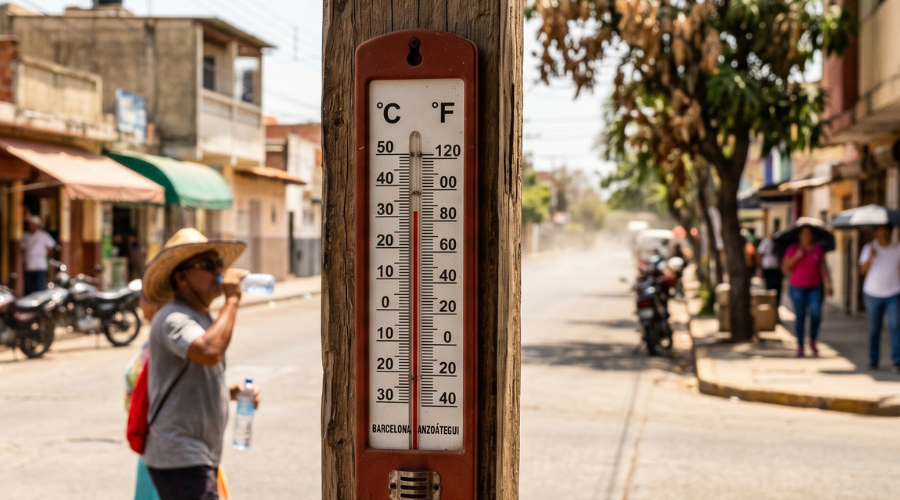
Hot weather concrete pours Florida crews deal with aren’t just uncomfortable they change how concrete behaves. High temps, sun, and wind can pull moisture out of fresh concrete fast, shorten your finishing window, and increase the risk of plastic shrinkage cracking if the job isn’t planned.
This guide covers practical steps to pour successfully in Florida heat without sacrificing finish quality or strength.
Hot weather concrete pours Florida: why heat changes set time and finish
When concrete is exposed to heat and wind, the surface can dry faster than bleed water can rise. That can lead to faster set times, surface crusting, and plastic shrinkage cracks. The goal is simple: control evaporation and protect the curing window.
1) Timing: pour early and stage the site
If you can control the schedule, the easiest win is starting earlier.
- Schedule pours for early morning when possible
- Avoid peak afternoon heat for large slabs
- Stage labor and tools so placement is continuous (stop-start pours get punished in heat)
2) Don’t add water as a “workability fix”
In hot weather, it’s tempting to add water to regain workability. That can reduce strength and increase shrinkage/cracking risk. Instead, plan workability the right way: confirm the mix and target slump ahead of time, keep placement moving, and avoid finishing too early.
3) Control evaporation (shade, wind breaks, fogging)
Evaporation is the enemy during hot weather pours.
- Use shade where feasible
- Set up wind breaks on open sites
- Fog the air above the slab (don’t blast water onto the surface)
- Keep subgrade damp (not muddy) so it doesn’t pull moisture from the concrete
If the surface is drying fast while the slab is still plastic, you’re in the danger zone for plastic shrinkage cracking.
4) Curing: start immediately
Curing is where hot weather pours are won or lost.
- Apply curing compound as soon as finishing allows
- Use plastic sheeting or curing blankets when needed
- Protect edges and joints (they dry first)
Helpful resources
Internal resources (Concrete Truck Depot)
- What to Expect From Volumetric Concrete Delivery (And How to Avoid Delays)
- How to Prepare Your Jobsite Before Concrete Delivery Day
- Rain in the Forecast? How to Protect Your Concrete Pour (and When to Reschedule)
- The Future of Concrete Delivery: Why Contractors Are Switching to Volumetric Trucks
Outbound resources
- American Concrete Institute (ACI)
- OSHA construction safety resources
- National Ready Mixed Concrete Association (NRMCA)